

At Nestlé, we’re working to help build a more sustainable future—one that nurtures the planet and ensures we can continue sourcing quality ingredients with care. This commitment isn’t just about today; it’s about building a food system that can thrive for generations to come.
One of the most impactful ways we can advance on this journey is by accelerating the adoption of regenerative agriculture practices across our supply chain. These practices—such as using cover crops or reducing tillage—help restore and protect soil quality, replenishing the land so it can continue to thrive and grow quality crops. Through close collaboration with farmers across the U.S., we’re helping them adopt practices that can improve the soil and create a more resilient food system—so we can keep serving and delighting consumers with the food and beverages they love, today and for generations to come.
See it in Action: What Does Regenerative Agriculture Look Like?
At its core, regenerative agriculture is about helping restore the land where our ingredients grow. For example, practices like rotating crops and using cover crops can help improve soil health and fertility, and practices like reducing tillage can protect soil structure and prevent erosion. What’s more, regenerative agriculture practices can also support ecosystems, reduce greenhouse gas emissions, and help strengthen farmer livelihoods.
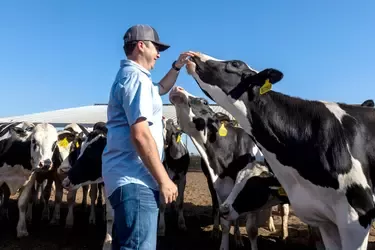
We’re investing in key ingredient categories across our U.S. supply chain—such as dairy, wheat, fruits and vegetables, rice, and coffee—to help farmers transition to these practices. Through technical and financial assistance, our agriculture experts are helping them overcome barriers to adopting new practices and customize solutions based on their unique crop and field considerations. And we’re seeing strong progress so far. For example, today 98%of the growers who supply fruit and vegetables for Gerber—many of whom have partnered with us for generations—are using regenerative agriculture practices1. Additionally, some dairy farmers supplying milk for Carnation are adopting practices like turning manure into renewable fertilizer to help put nutrients back into the soil. And Purina is helping rice farmers adopt alternating wetting and drying practices that can conserve water and enhance soil health.
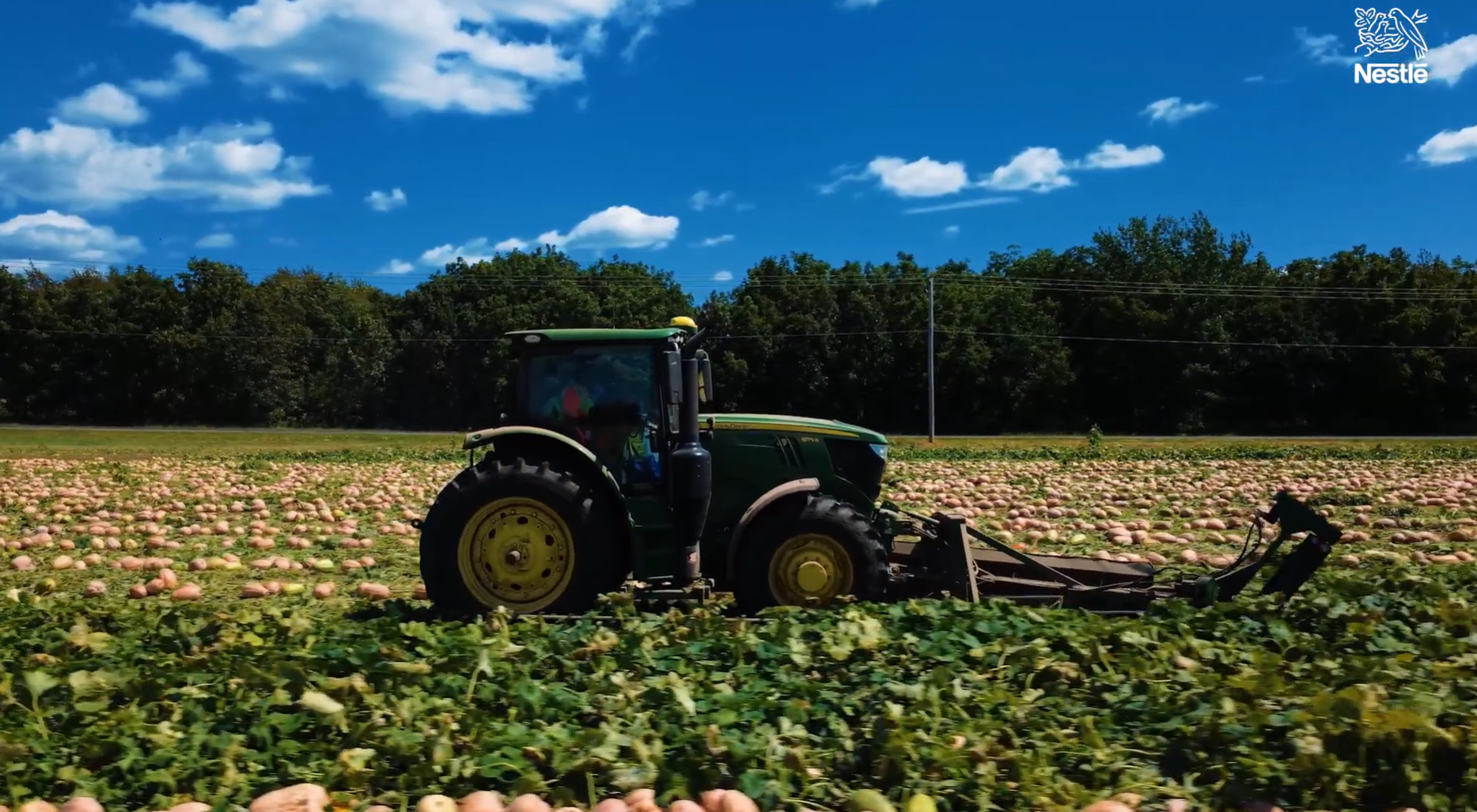
To provide a closer look, we recently teamed up with Vox to create an explainer video exploring how regenerative agriculture practices can strengthen soil health and help build a more resilient food system:
Looking Ahead
Globally, we’re committed to sourcing 50% of our key ingredients from farmers adopting regenerative agriculture practices by 2030. We’ve already surpassed our 2025 milestone, sourcing over 21% of key ingredients through regenerative agriculture at the end of 2024.
Regenerative agriculture is more than a farming method—it’s a commitment to a healthier planet and a stronger, more resilient food system. Every small step we make in partnership with farmers, suppliers, and partners to scale regenerative agriculture practices and support healthy soil helps bring us closer to growing a better future, together.
1Data based on 2024 U.S. crop year for Gerber fruit & vegetable growers, in accordance with Nestlé‘s regenerative agriculture framework.