

At Nestlé, we believe great food begins on the farm. As the world’s largest food and beverage company, we’re not just committed to delivering quality products—we’re also helping build a stronger, more resilient food system that can nourish people today and for generations to come. Our ambition is bold: to advance regenerative food systems at scale.
Achieving this means working hand in hand with the farmers who grow and supply our ingredients to drive meaningful on-farm change—from strengthening the health of soil and protecting natural resources, to reducing emissions and nurturing thriving ecosystems. By taking steps to facilitate the adoption of regenerative agriculture practices—like using cover crops or reducing tillage—we’re investing in the land, the people who cultivate it, and a stronger future.
Across the U.S., we work closely with farmers, program partners, and suppliers throughout our supply chain, championing farmers’ expertise and supporting their transition to practices that benefit the land and the communities that depend on it. From dairy to grains to fruits and vegetables, these efforts span key ingredient categories, and each step is moving us closer to a more sustainable future. Here are just a few examples of how we’re working Together with Farmers:
Innovating with Dairy Farmers for a More Sustainable Future
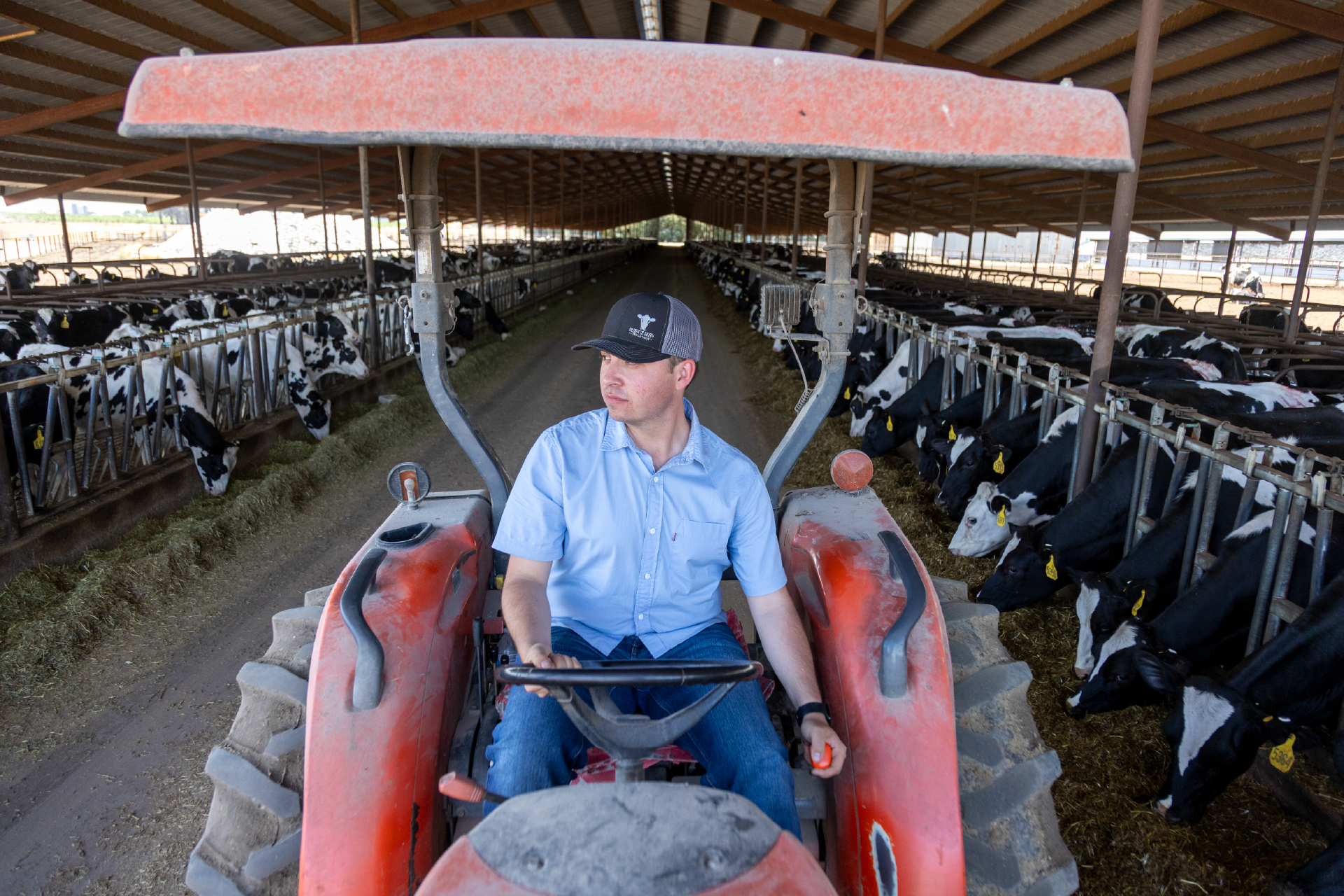
We’re working with dairy farmers to put practical, science-based solutions into action—solutions that can help reduce environmental impact and improve farm resilience. One example is our work with Anthony Agueda, a third-generation California dairy farmer whose family has supplied milk for our Carnation® brand for more than 40 years.
Together with BioFiltro, a leader in vermifiltration technology, we helped Alberto Dairy install a nature-based manure and wastewater treatment system that helps improve both soil and water quality while also reducing emissions. The system can process up to 200,000 gallons of liquid waste per day. Solids are separated out, and a portion of the remaining liquid runs through long vermifiltration beds filled with woodchips, beneficial microbes, and worms—breaking down remaining organic matter, reducing nitrogen levels, and creating a usable source of water for the farm.
It’s efforts like this that are driving real on-farm changes and hold the potential to help shape the future of dairy farming.
Strengthening Resilience in Rice Farming
Our Purina teams are working with implementation partners and farmers to accelerate the adoption of regenerative agriculture practices in regions where key ingredients in our pet food recipes, like rice, are grown. We’re supporting programs that help strengthen the long-term availability of quality ingredients for pets across the country.
Through tailored investments, Purina supports programs that help implement practices such as alternate wetting and drying to reduce water use, planting cover crops that keep living roots in place year-round, reducing tillage to protect soil integrity, and diversifying crop rotations. These practice changes help conserve water, support biodiversity and reduce greenhouse gas emissions.
Kelsey Ryan, Ph.D., Senior Sustainability Manager with Purina, works with suppliers and other partners to invest in practices on farms that are not only beneficial for the environment but also economically viable. “At the end of the day, pet parents want to know the food they’re giving their dogs and cats is safe, nutritious and responsibly made,” she said. “Our support of regenerative agriculture on farms is about ensuring a long-term supply of quality ingredients that go into the foods our pets love, today and for generations to come.”
Centering on Soil Health with Fruit & Vegetable Growers
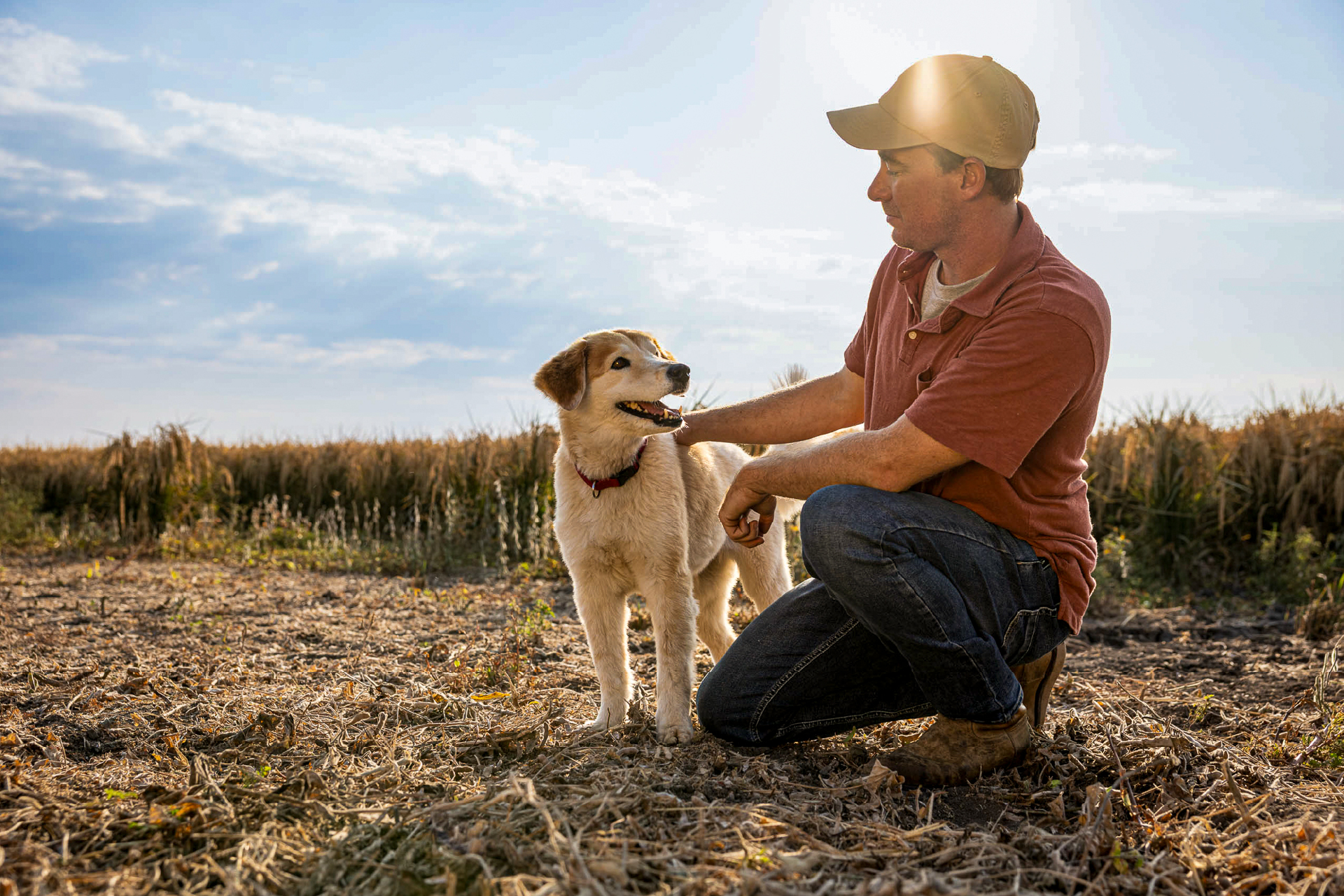
For the growers who supply Gerber, our focus is simple: grow and source food that’s nutritious and safe for babies, while also protecting the land that makes it possible.
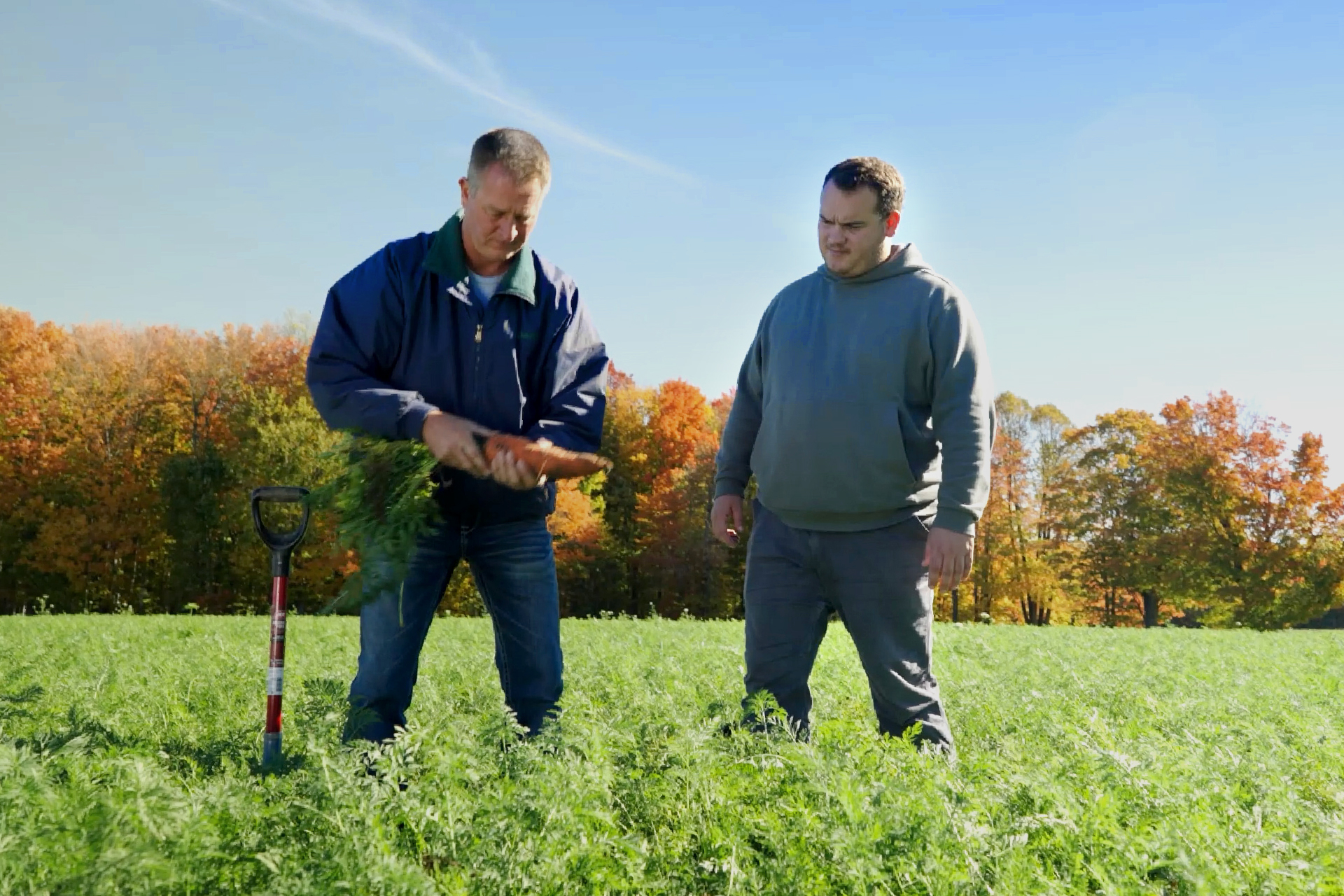
We partner with fruit and vegetable growers—many of whom have been growing with Gerber for generations—to encourage the adoption of regenerative agriculture practices, like planting cover crops, reducing tillage, and using fewer pesticides. These practices help improve soil health, which is essential for growing quality crops year after year.
Our agriculture team provides technical and financial assistance to help growers adopt certain practices, and we continuously measure and assess the impact of those changes in the field. Gerber also invests in research with leading institutes, universities and experts to explore new farming practices and technologies and deepen our understanding of soil health and nutrient uptake. “These efforts, paired with our longstanding relationships with the farmers who grow our ingredients, inform our work every day and help ensure we’re giving back to the land,” said Chris Falak, Agriculture Manager for Gerber.
Working with Pumpkin Farmers to Advance New Practices
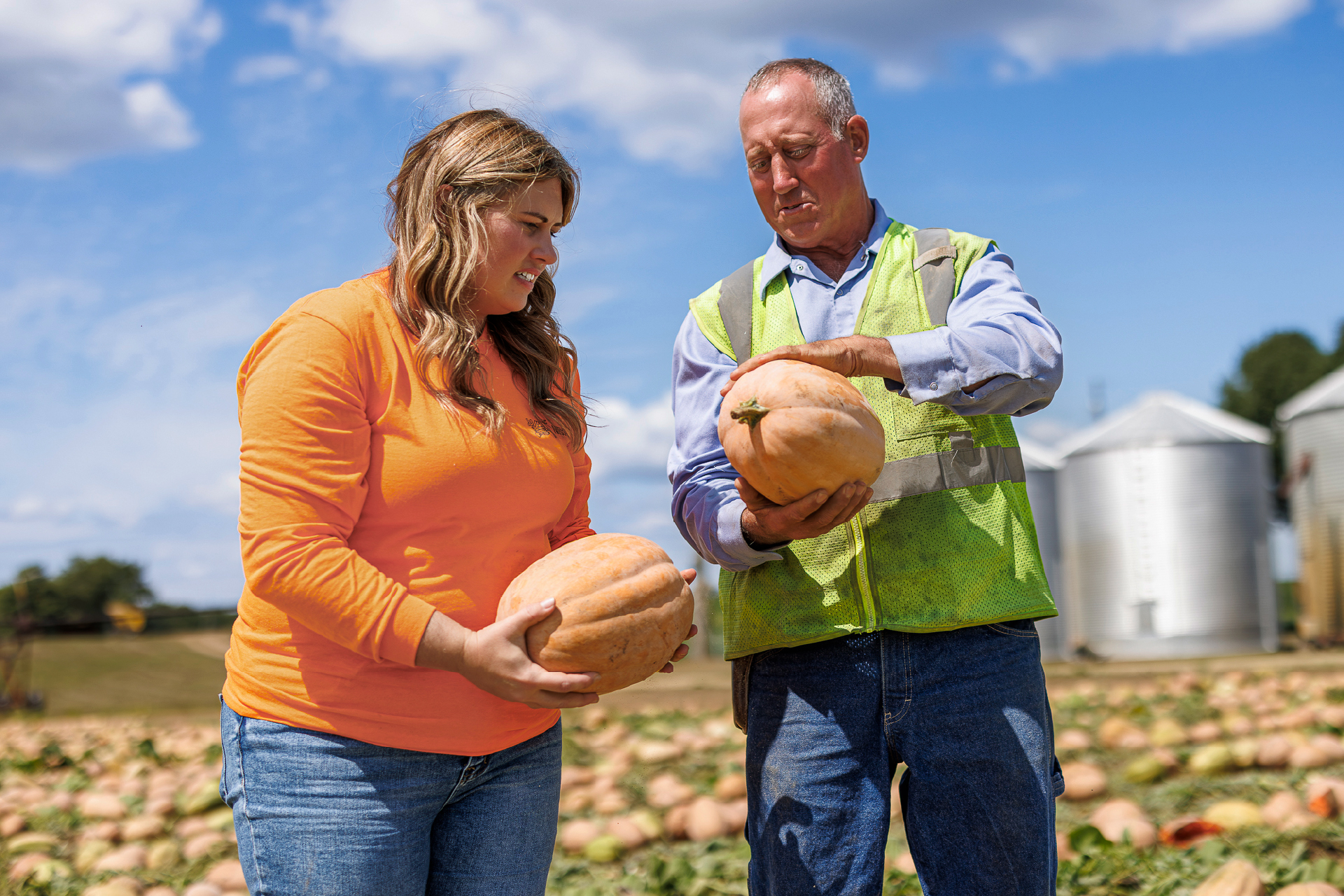
Our Libby’s® pumpkin team has long been committed to working with farmers in Illinois to grow and harvest quality pumpkins. Some of these farmers have grown pumpkins for Libby’s for 60 years—and these trusted relationships have enabled the early and widespread adoption of regenerative agriculture practices on pumpkin fields.
Impact at Scale
In 2024, nearly 95% of our pumpkins were grown using regenerative agriculture practices, such as rotating crops and planting cover crops to help build healthy soil and reduce on-farm emissions. Through ongoing collaboration and dialogue, our teams work with farmers to discuss field techniques, introduce new practical solutions, and collect data to help assess the in-field outcomes of these practices and identify opportunities for further progress.
Rachelle Malin, Environmental Expert with Nestlé, works closely with the growers who supply Libby’s pumpkins. “Farmers are at the center of our approach. We work together to grow and harvest high-quality pumpkin each year, and we’re doing it in a way that helps protect the soil so we can keep delivering the 100% pure pumpkin consumers love.”
Growing a More Resilient Future - Together
Our work to support farmers across the U.S. is central to our ambition to advance regenerative food systems at scale. By supporting the transition to regenerative agriculture practices, we’re helping lay the groundwork for a food system that sustains healthy land and quality harvests for years to come.